


Juneteenth is a reminder to remember Black liberation honestly and to keep resisting erasure, indifference, and injustice.
A few days before Juneteenth, I shared my story of Black survival and courageous role models we can all use today as examples to live by, for those of us who refuse to forget. |
I come from people who escaped slavery, and people who survived it.
On Juneteenth, I shared three reflections that shape how I understand this day. Today, I want to share them with you, and go a little deeper.
My great-grandfather escaped slavery in Arkansas on the Underground Railroad.
It was a secret network of routes and safe houses where people, many of them White, risked their lives to help enslaved Black people reach freedom, often in places like Canada.
We can only imagine what that journey cost him. Hunger. Fear. The kind of silence where every sound could mean your life.
And then he did something even more extraordinary.
He went back.
He returned to buy his wife out of slavery, and together they made their way to Canada, where my grandfather was born.
A second reflection comes from my mother’s side of the family.
On my mother’s side, the story is different, but just as powerful. Her grandmother was given as a gift from one plantation owner to another. A human being, transferred like property.
I imagine her meeting her future husband there, both regarded as property, yet falling in love, having children, building whatever future was available to them, choosing courage over despair.
So when I think about Juneteenth, I don’t think in abstractions.
I think about people who endured the unthinkable, and still made a way forward.
Most Black families carry stories like this.

We were raised on them. Not as victimhood, but as evidence. Among most Black people I know, we fervently believe that our lives are meant to honor what our ancestors endured and made possible.
And today, there are active efforts to soften or erase this history.
Books are being banned. Stories are being reframed. All in the name of not wanting White youth to feel guilt.
When I was teaching at the University of Houston, my White students would ask me, “What are we supposed to do with that guilt?”
And my answer was simple.
You don’t need to carry guilt. You need better White role models.
We have names to point to:
Now, 70 years later, she is using her personal memory of that era to warn against what is happening in Florida. New rules for teaching about communism praise Senator McCarthy and other anticommunist politicians as heroes, instead of telling the truth about how that period crushed free speech and destroyed careers.
When countries and communities tell the truth about what happened, instead of hiding it, people learn to spot danger sooner and trust each other more.
Kids grow up seeing grownups say, “This was wrong, here’s how we can do better,” instead of pretending nothing happened.
When we hold up these stories as the examples to live by, we make it far harder for the same kind of harm to happen again.
My great-grandfather did not make that journey alone.
White people hid him. Fed him. Protected him.
White people fought for abolition.
And many of those same kinds of allies marched for civil rights, including those who crossed the Edmund Pettus Bridge with Dr. Martin Luther King Jr., knowing what waited for them on the other side.
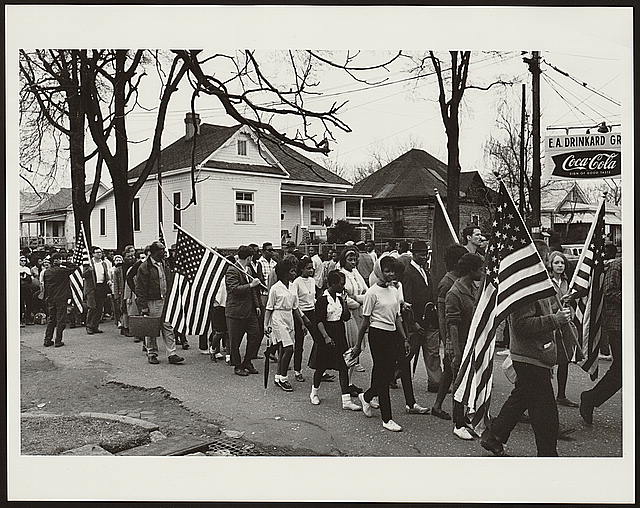
That courage is part of the story too.
And anyone, of any race or background, can choose to stand in that lineage.
And a third reflection comes from my own life, as a college student in New Jersey.
I remember sitting in the living room of a Jewish friend whose father had forbidden her from dating a Black boy. At the time, she was sneaking to see him anyway.
And there I was, sitting with her father, watching footage of the children’s march for civil rights.
Black children in their Sunday best.
Being knocked down by fire hoses.
Attacked by police dogs.
And this man, who did not want his daughter dating a Black boy, sat there watching in horror.
He turned to me and said, “How could anyone do that to children?”
And in that moment, I knew something was shifting.
If even he could see the injustice of what was happening to those children, then the segregated system in which I had grown up could not hold.
The following year, Congress passed the Civil Rights Act of 1964, ending legal segregation in public accommodations across this country.
So my message today is this.
To those of you who are here, willing to witness this history, not turn away from it, not pretend it didn’t happen, thank you. Your presence matters.
And I invite each and every one of you to choose your place in this story.
Not by carrying guilt, but by carrying courage.
Tell the truth about what happened.
And tell the truth about those who chose to stand for freedom, who risked everything so this country could move closer to what it promised.
Because Juneteenth is not just about the end of slavery.
It is about what becomes possible, when, in every generation, enough people choose courage over comfort so that all of us in the next generation can live with more freedom than the last.

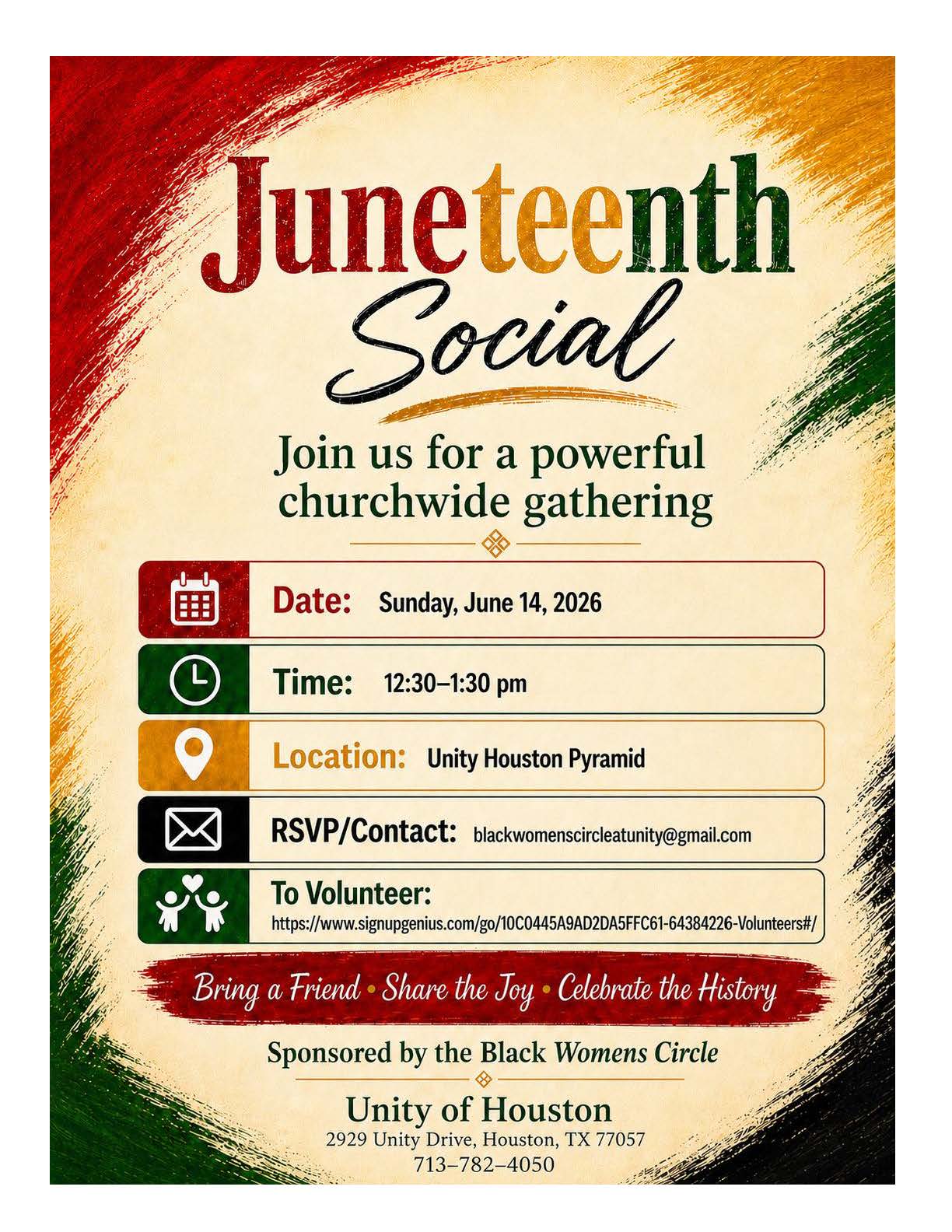
Dr. Jean Kantambu Latting is Professor Emerita at the University of Houston and the founder of Leading Consciously, where she helps Black women and other leaders build workplaces where people and organizations can thrive. Her life and work reflect a long commitment to honoring the communities and spiritual lineages that formed her. This reflection was first shared at Unity of Houston’s Juneteenth Social, sponsored by the Black Women’s Circle, on June 14, 2026, and is sent to you now in gratitude for the communities she has known that make this kind of truth-telling possible. |


We are a leadership development firm that helps people and organizations create resilient, sustainable, multicultural, and inclusive settings. The ability to lead consciously can help you gain true awareness and earn the respect and trust of others.
It’s the assumptions we have about people’s lives that are the biggest obstacles to growth, awareness, and success. We help you understand how those assumptions are preventing you from becoming the best you can be as an organization, an inclusive leader, and a person.

